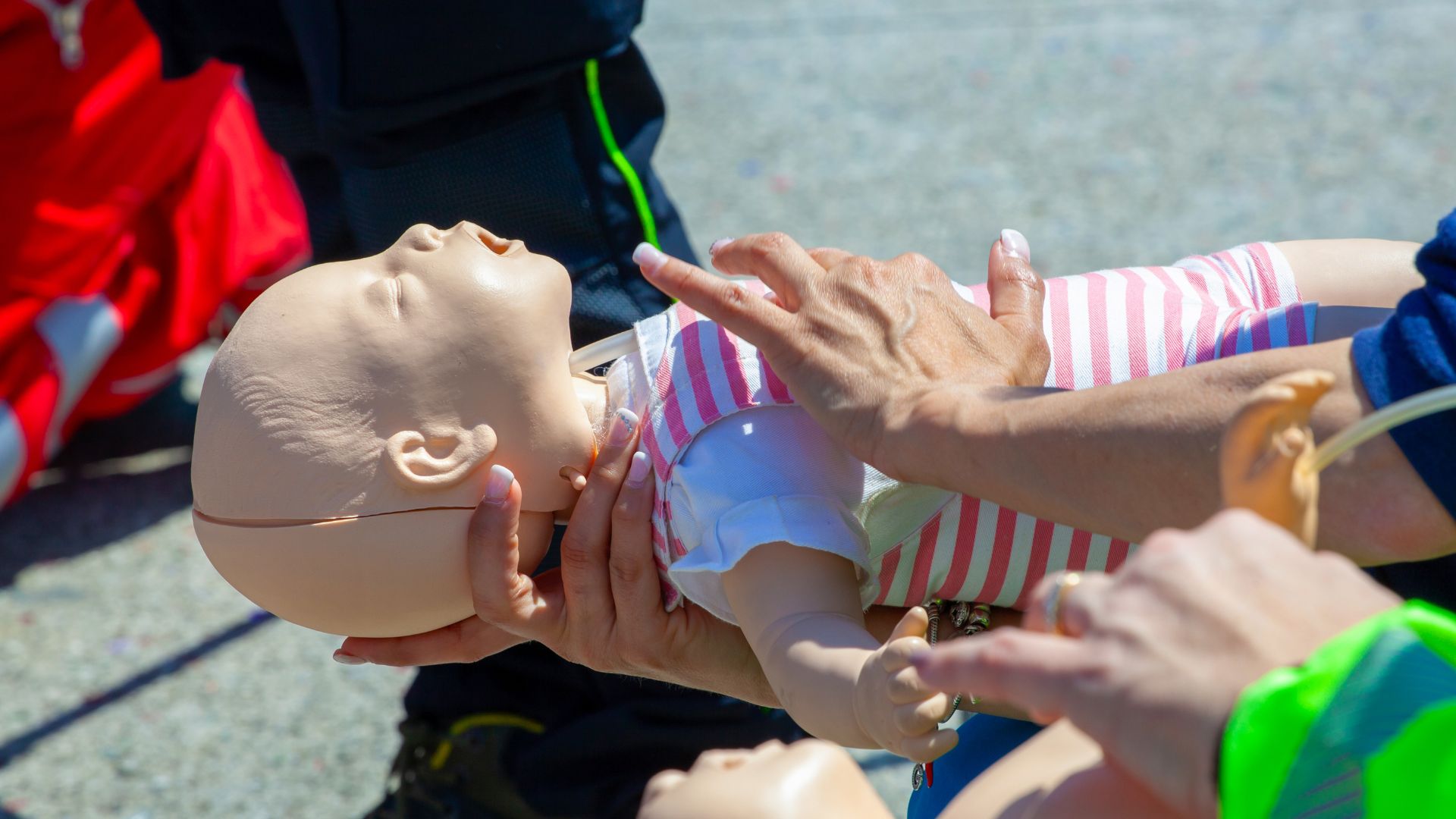
Medical emergencies can happen anywhere and at any time. Cardiac arrest, breathing failure, and sudden collapse often occur without warning, leaving bystanders as the first line of defense. CPR certification provides individuals with the lifesaving skills needed to respond quickly and effectively when seconds matter most. By completing CPR certification, people gain the confidence and ability to take action during emergencies and help save lives when immediate medical care is not yet available.
CPR certification equips individuals with practical, hands-on knowledge that can be used in homes, workplaces, schools, fitness facilities, and public spaces. In many emergencies, the actions taken in the first few minutes determine the outcome. When more people are trained and CPR certified, communities become safer, more resilient, and better prepared to handle medical emergencies of all kinds. Understanding the lifesaving benefits of CPR certification highlights why this training is essential for individuals of all backgrounds, professions, and age groups.
Why CPR Certification Saves Lives
Sudden cardiac arrest is one of the leading causes of death worldwide. When the heart stops beating effectively, oxygen rich blood no longer reaches the brain and vital organs. Without immediate intervention, irreversible damage can begin within minutes.
CPR certification teaches individuals how to recognize the signs of cardiac arrest and begin chest compressions right away. These compressions manually circulate blood through the body, helping deliver oxygen to critical organs until emergency medical services arrive. Even a few minutes of early CPR can significantly increase survival rates and reduce the risk of long-term injury.
One of the most important benefits of CPR certification is reducing hesitation. Untrained bystanders often freeze during emergencies because they are unsure what to do or fear doing something wrong. CPR certification replaces uncertainty with clear steps and practiced skills. Trained individuals are far more likely to take action, and that willingness to respond is often what saves lives.
Understanding CPR Certification and Emergency Response
CPR certification focuses on teaching clear, step by step actions that can be performed by non-medical professionals. Training emphasizes recognizing emergencies quickly, ensuring scene safety, and delivering effective CPR until help arrives.
Participants learn how to identify abnormal breathing, check for responsiveness, and determine when CPR is needed. CPR certification also includes instruction on using an automated external defibrillator, a device designed to help restore a normal heart rhythm during certain types of cardiac arrest.
Emergency response training within CPR certification emphasizes calm decision making. Participants are taught how to assess situations rapidly, call for help, and prioritize lifesaving actions. By following established guidelines, CPR certified individuals can provide immediate care that stabilizes victims and improves outcomes.
CPR Certification in Everyday Situations
Many people assume medical emergencies happen only in high-risk environments such as hospitals or industrial settings. In reality, most cardiac arrests occur in everyday locations where people live, work, and gather.
Homes are one of the most common locations for cardiac emergencies. A family member may suddenly collapse while watching television or preparing a meal. CPR certification gives loved ones the ability to respond immediately rather than waiting helplessly for emergency responders.
Workplaces are another common setting for emergencies. Office staff, coworkers, or visitors may experience cardiac distress during routine activities. CPR certified employees can begin lifesaving care right away, improving outcomes and supporting a safer work environment.
Public spaces such as gyms, schools, shopping centers, and community venues also see medical emergencies. CPR certification empowers individuals to step forward and help strangers in need, strengthening community safety and shared responsibility.
Building Confidence Through CPR Certification
Confidence is one of the most overlooked yet powerful benefits of CPR certification. Emergencies are chaotic by nature, and fear can prevent action. CPR certification builds confidence by providing hands on training and repeated practice in realistic scenarios.
Participants learn proper technique and gain experience performing CPR in controlled environments. This practice helps build muscle memory, making it easier to act quickly during real emergencies. CPR certification reduces fear by replacing uncertainty with preparedness.
The confidence gained through CPR training often extends beyond emergency situations. Individuals feel empowered knowing they possess skills that can truly make a difference. This sense of empowerment encourages responsibility, awareness, and calmness under pressure.
Benefits of CPR Certification Across Communities
Widespread CPR certification benefits entire communities, not just individuals. When more people are trained, response times decrease and survival outcomes improve.
Communities with higher CPR certification rates experience stronger emergency preparedness. Schools become safer for students, workplaces are better equipped to handle incidents, and public spaces benefit from trained bystanders who are ready to help.
CPR certification also promotes shared responsibility. Community members recognize that lifesaving skills are not limited to professionals. This shared commitment creates safer neighborhoods and more connected communities where people look out for one another.
CPR Certification for Professional and Personal Preparedness
CPR certification is valuable for both professional and personal reasons. Many professions require CPR certification as part of safety and compliance standards. Teachers, personal trainers, caregivers, childcare providers, healthcare workers, and workplace employees often need CPR certification to meet job expectations.
In professional settings, CPR certification demonstrates responsibility, preparedness, and commitment to safety. Employers value certified individuals because they improve emergency response and reduce risk.
On a personal level, CPR certification provides peace of mind. Knowing how to respond during emergencies helps individuals protect loved ones and assist others when needed. Parents, caregivers, and family members often pursue CPR certification specifically to feel more prepared at home.
This combination of professional relevance and personal empowerment makes CPR certification one of the most impactful and practical forms of training available.
What CPR Certification Training Includes
CPR certification courses are designed to be accessible, efficient, and effective. Training typically includes a combination of instruction, demonstration, and hands on practice.
Participants learn how to recognize cardiac arrest, perform high quality chest compressions, provide rescue breaths when appropriate, and use an automated external defibrillator. Instructors guide participants through each step and provide feedback to ensure proper technique.
Many courses include scenario-based training to simulate real emergencies. These scenarios help participants practice decision making, communication, and coordination under pressure.
Most CPR certification courses can be completed in a single session. Upon completion, participants receive certification that is valid for a set period, usually two years.
The Importance of Maintaining CPR Certification
CPR skills must remain current to be effective. Medical guidelines and best practices can change over time, making regular recertification essential.
Maintaining CPR certification ensures individuals stay aligned with current recommendations and continue to perform CPR safely and effectively. Recertification also reinforces confidence by refreshing skills and reinforcing proper technique.
Individuals who prioritize ongoing CPR training demonstrate commitment to safety, preparedness, and responsibility. Regular certification ensures that lifesaving skills are ready when they are needed most.
How CPR Certification Strengthens Long Term Safety
Long term safety depends on education, repetition, and readiness. CPR certification contributes to long term safety by building a network of trained individuals who can respond during emergencies.
When CPR certification is widely adopted across homes, workplaces, and public spaces, communities benefit from faster response times and improved outcomes. This readiness reduces reliance on emergency services alone and empowers everyday people to act.
Over time, CPR certification helps normalize lifesaving action. The more people trained, the more likely someone will be ready to help during emergencies.
Final Thoughts on the Life Saving Benefits of CPR Certification
CPR certification is a powerful tool that saves lives and strengthens communities. By learning how to respond during cardiac and breathing emergencies, individuals gain the ability to take action when it matters most.
Completing CPR certification empowers people with lifesaving skills, builds confidence, and improves emergency preparedness in everyday environments. These benefits extend across personal, professional, and community settings.
Investing in CPR certification is an investment in safety, responsibility, and the ability to protect lives when emergencies occur. When more people are trained and prepared, everyone benefits.
Frequently Asked Questions
What happens if CPR is started immediately during cardiac arrest?
Starting CPR immediately helps maintain blood flow to the brain and vital organs, increasing the chance of survival and reducing long term damage.
Can CPR certification help in non-medical emergencies?
Yes. CPR certification prepares individuals to respond to cardiac and breathing emergencies in homes, workplaces, schools, and public spaces.
How physically demanding is CPR training?
CPR training involves hands on practice, but instructors teach techniques that allow participants of different abilities to perform CPR safely and effectively.
How often should CPR skills be refreshed?
Most CPR certifications are valid for two years. Refreshing skills regularly helps maintain confidence and proper technique.
Is CPR certification useful even if emergency services are nearby?
Yes. Even when emergency services are close, the first few minutes are critical. CPR certification allows immediate action while help is on the way.