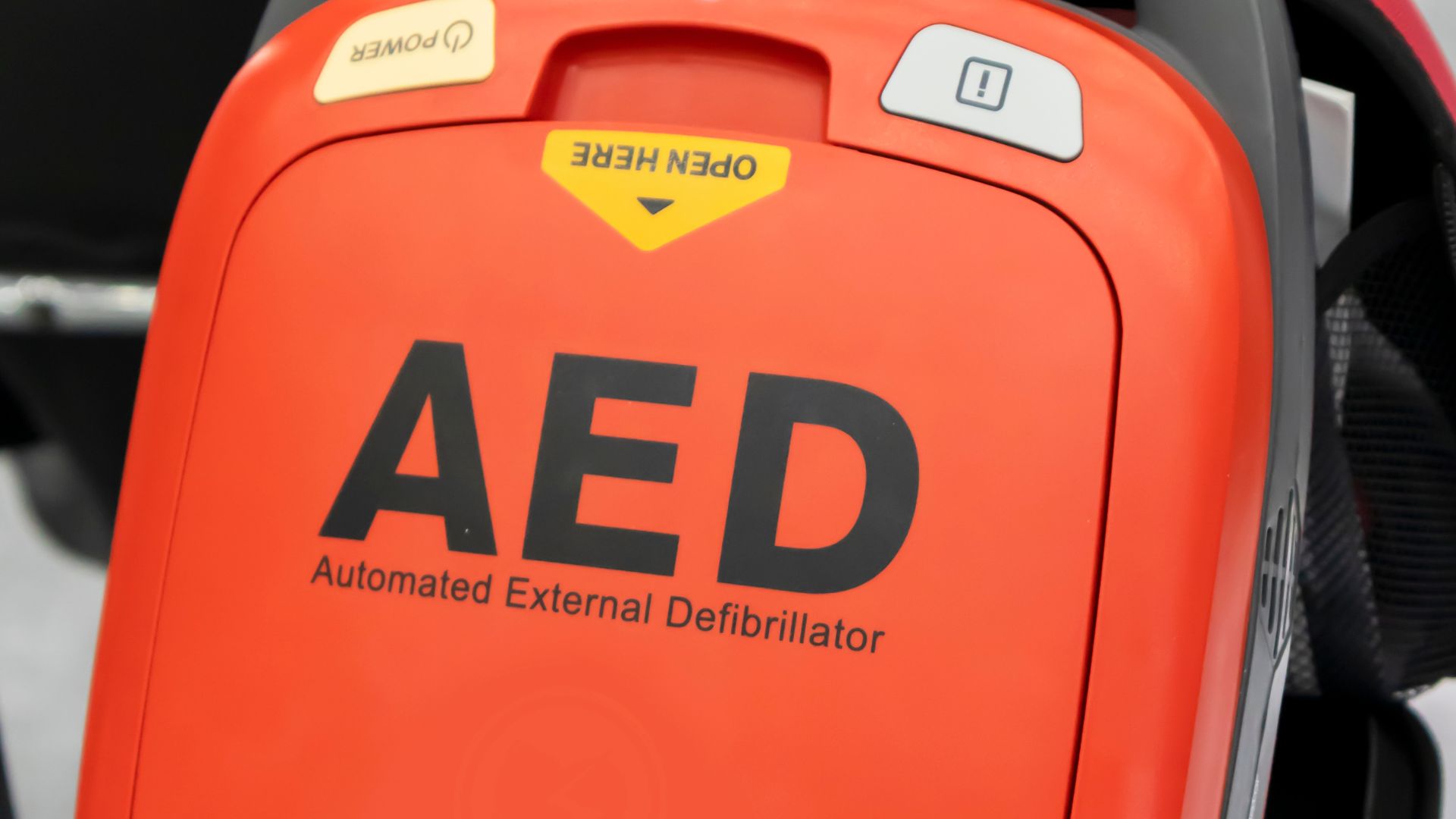
An automated external defibrillator, commonly called an AED, is a portable medical device designed to help people experiencing sudden cardiac arrest. AEDs analyze the heart’s rhythm and deliver an electrical shock if necessary to restore a normal heartbeat. These devices are designed to be used by both medical professionals and trained bystanders, making them an important tool in public safety.
Sudden cardiac arrest can happen without warning and requires immediate action. When the heart stops pumping effectively, blood flow to the brain and vital organs stops. Without quick intervention, survival chances drop rapidly. AEDs are designed to work alongside CPR to help restore heart rhythm and improve survival outcomes. Through CPR Certification, individuals learn how to perform chest compressions and safely use an AED during emergencies.
Communities like Allentown benefit greatly from having AEDs available in public spaces such as schools, gyms, airports, and workplaces. When people nearby are trained to recognize cardiac arrest and operate an AED, lifesaving care can begin immediately while emergency responders are on their way.
Understanding Sudden Cardiac Arrest
Sudden cardiac arrest occurs when the heart’s electrical system malfunctions, causing the heart to stop pumping blood effectively. Unlike a heart attack, which occurs when blood flow to the heart muscle is blocked, sudden cardiac arrest involves an electrical disruption that prevents the heart from beating normally.
When sudden cardiac arrest occurs, the person usually collapses, loses consciousness, and stops breathing normally. Without immediate medical intervention, brain damage can begin within minutes.
Quick response is critical. Immediate CPR can help circulate oxygenated blood throughout the body, while an AED can deliver a controlled electrical shock that may restore the heart’s normal rhythm.
Learning how to recognize cardiac arrest and respond quickly is one of the key skills taught during CPR Certificationcourses.
How AED Devices Work
AEDs are designed to be simple and safe to use, even for people without medical backgrounds. When the device is turned on, it provides clear voice prompts that guide the user through each step of the process.
The basic steps for using an AED typically include:
- Turn on the AED device.
- Attach adhesive electrode pads to the person’s chest.
- Allow the AED to analyze the heart rhythm.
- Deliver a shock if the device determines it is necessary.
- Continue CPR until emergency responders arrive.
The AED analyzes the heart rhythm automatically and will only deliver a shock if it detects a rhythm that can be treated with defibrillation. This built in safety feature prevents the device from delivering shocks when they are not needed.
Because AEDs guide users through each step, they can be used effectively even by individuals who have limited medical training.
The Importance of AED Use With CPR
CPR and AED use work together to improve survival during cardiac emergencies. CPR helps maintain blood circulation to the brain and other vital organs, while the AED attempts to restore the heart’s natural rhythm.
Studies consistently show that combining CPR with defibrillation significantly increases survival rates for sudden cardiac arrest victims. The sooner an AED is used, the better the chances of recovery.
Without CPR and defibrillation, survival chances decrease rapidly with each passing minute. This is why communities encourage public access to AED devices and promote training programs that teach individuals how to use them.
Many CPR training courses include AED instruction so that participants understand how to integrate both lifesaving techniques during emergencies.
Where AEDs Are Commonly Found
Because AEDs are designed for public use, they are often installed in locations where large groups of people gather. These devices are placed in easily accessible areas so that bystanders can retrieve them quickly during emergencies.
Common locations where AEDs may be found include:
- Schools and universities
- Airports and transportation hubs
- Shopping centers and retail stores
- Gyms and fitness facilities
- Community centers
- Government buildings
- Sports arenas and stadiums
Many workplaces and public buildings in Allentown have installed AED devices as part of their emergency preparedness programs. The presence of these devices helps ensure that lifesaving equipment is available if cardiac emergencies occur in public areas.
Recognizing AED cabinets and knowing how to access the device can help individuals respond quickly when emergencies happen.
Why AED Training Is Important
Although AED devices are designed to be user friendly, training helps individuals feel more confident using them during emergencies. CPR and AED courses teach participants how to recognize cardiac arrest, perform chest compressions, and safely operate the device.
Training also helps people understand how to assess the situation, call emergency services, and coordinate care until paramedics arrive.
Completing CPR Certification often includes hands on AED practice using training devices that simulate real emergencies. This experience helps individuals become comfortable with the device and understand how to follow its instructions.
When more people in a community are trained in CPR and AED use, the chances of having someone nearby who can respond quickly increase significantly.
AED Safety Features
AEDs are built with several safety features to ensure they are used properly. The device analyzes the heart rhythm automatically and will only deliver a shock if the rhythm is treatable.
Voice prompts guide the rescuer through every step of the process, including pad placement, rhythm analysis, and shock delivery. Many AEDs also include visual diagrams that show exactly where to place the pads.
Some devices also provide feedback on chest compressions during CPR, helping rescuers maintain the correct rhythm and depth.
These safety features allow even first time users to operate AED devices effectively during emergencies.
The Role of AEDs in Community Safety
Public access to AED devices has become an important part of community health initiatives. Many cities and organizations have implemented programs that install AEDs in public locations and encourage residents to learn CPR.
These programs help ensure that lifesaving equipment is available wherever emergencies may occur. Schools, workplaces, and public venues often maintain AED devices as part of their emergency preparedness plans.
In communities like Allentown, widespread access to AED devices combined with trained responders helps improve survival rates during cardiac emergencies.
Encouraging residents to learn CPR and AED use strengthens the overall safety network within the community.
How CPR and AED Training Saves Lives
Learning how to perform CPR and operate an AED can empower individuals to take action during emergencies. Many people hesitate to respond because they fear doing something wrong, but proper training removes that uncertainty.
CPR courses teach participants how to recognize cardiac arrest, call for help, perform chest compressions, and use an AED correctly. Practicing these skills in a training environment helps build confidence and readiness.
When emergencies occur, trained individuals are more likely to step forward and provide assistance. Their quick response can sustain life until professional medical teams arrive.
Completing CPR Certification ensures that individuals have the knowledge and confidence needed to respond during critical situations.
Final Thoughts on AED Devices in Allentown
Automated external defibrillators are powerful lifesaving tools that play a crucial role in responding to sudden cardiac arrest. These devices analyze heart rhythms and deliver electrical shocks when necessary to help restore normal heart function. When combined with CPR, AEDs significantly improve the chances of survival during cardiac emergencies.
In communities like Allentown, having AED devices available in public spaces helps ensure that lifesaving equipment is within reach when emergencies occur. However, the presence of the device alone is not enough. Individuals who complete CPR Certification gain the skills needed to recognize cardiac arrest, perform CPR, and use AED equipment safely and effectively.
By learning how AED devices work and becoming trained in emergency response, individuals can help create safer communities and potentially save lives when every second matters.
Frequently Asked Questions
What does AED stand for?
AED stands for automated external defibrillator. It is a portable medical device used to treat sudden cardiac arrest.
Can anyone use an AED?
Yes. AEDs are designed for use by both trained professionals and bystanders. The device provides voice instructions that guide users through each step.
Do AEDs work without CPR?
AEDs are most effective when used together with CPR. CPR maintains blood circulation while the AED works to restore a normal heart rhythm.
Where can you find AED devices in public places?
AEDs are often located in schools, airports, gyms, shopping centers, community buildings, and many workplaces.