Medical emergencies can happen without warning. A family member may suddenly collapse at home, a coworker could experience cardiac arrest at the office, or a fellow parent might need help during a youth sporting event. In these situations, the first few minutes are often the most critical. While emergency medical services work quickly, bystanders are frequently the first people available to provide life-saving care.
Many people today choose online learning for convenience, but when it comes to CPR, nothing replaces hands-on instruction. In-person CPR classes provide practical experience that helps students build confidence, improve technique, and prepare for the stress of a real emergency. Through CPR Certification, Allentown residents can gain the skills needed to respond effectively when someone’s life depends on immediate action.
The ability to physically practice CPR, work with training equipment, and receive guidance from an experienced instructor makes in-person education one of the best investments anyone can make in their family’s safety and their community.
Why CPR Requires More Than Reading Instructions
CPR may seem straightforward when watching a video or reading a guide, but performing it correctly during a real emergency is very different.
Effective CPR requires students to understand:
- Proper hand placement
- Compression depth
- Compression rate
- Full chest recoil
- Rescue breathing techniques
- AED operation
- Emergency scene assessment
These are physical skills that improve with practice.
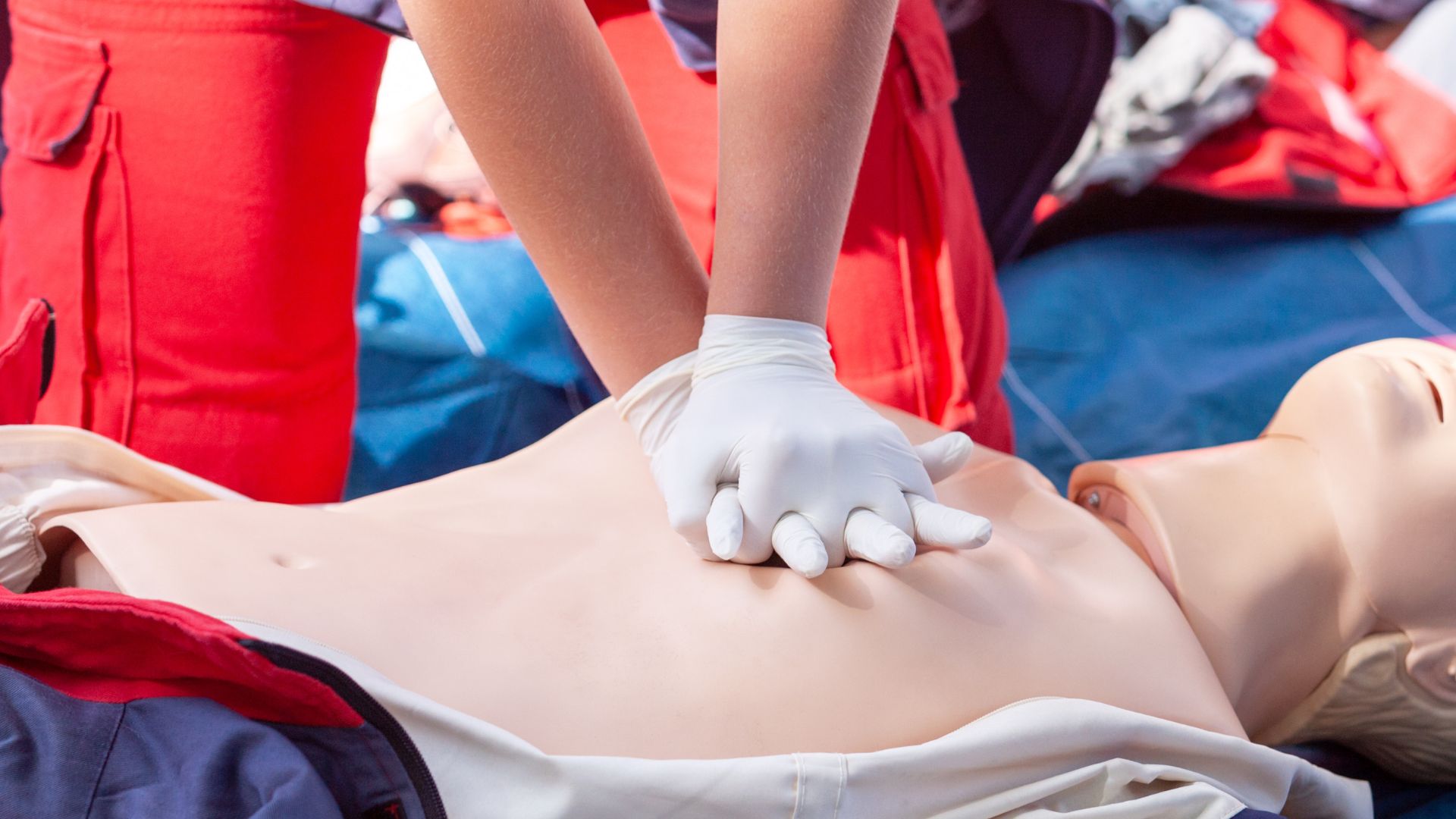
In-person CPR classes allow students to perform compressions on training manikins and receive immediate feedback from instructors, helping them learn the correct technique before they ever face a real emergency.
Muscle Memory Improves Emergency Response
During an emergency, stress levels rise quickly.
People may experience:
- Panic
- Adrenaline surges
- Difficulty concentrating
- Uncertainty about what to do
Hands-on training helps develop muscle memory through repeated practice.
Students physically perform:
- Chest compressions
- Rescue breaths
- AED procedures
- Victim assessments
This repetition helps the body remember what to do, even under pressure.
Individuals who have practiced CPR multiple times are often more likely to step forward and help during a real emergency.
Instructors Can Correct Mistakes Immediately
One major advantage of in-person CPR training is the ability to receive personalized feedback.
During class, instructors can identify and correct common mistakes, such as:
- Incorrect hand positioning
- Shallow compressions
- Compressing too quickly or too slowly
- Improper rescue breathing technique
- Delays during AED use
Without an instructor present, students may unknowingly practice poor habits that reduce CPR effectiveness.
Programs through CPR Certification provide guided instruction that helps participants develop proper life-saving skills from the beginning.
Realistic Scenarios Build Confidence
A real cardiac emergency is rarely calm or predictable.
Victims may collapse suddenly, crowds may gather, and emotions often run high.
In-person CPR classes frequently include scenario-based learning that allows students to practice responding to realistic situations.
Students may work through scenarios involving:
- Sudden cardiac arrest
- Choking emergencies
- Workplace incidents
- Sports injuries
- Family medical emergencies
This type of practical experience helps students become more comfortable making decisions during stressful events.
Confidence built in training often translates directly into faster action during real emergencies.
Allentown Families Benefit From Hands-On Training
Many cardiac arrests occur at home.
Family members are often the first people present when a loved one experiences a medical emergency.
Parents, grandparents, spouses, and adult children all benefit from learning CPR because they may one day need to assist:
- Elderly relatives
- Children
- Family friends
- Neighbors
- Visitors
Learning through CPR Certification gives families the opportunity to practice together and prepare for unexpected situations.
A few hours of training can provide skills that may one day save someone close to them.
CPR Skills Require Physical Practice
Chest compressions must be performed with enough force to circulate blood effectively.
Many first-time students are surprised to discover that proper CPR requires significant physical effort.
Hands-on classes help students understand:
- How hard to compress
- How fast to compress
- How long to continue
- How to minimize interruptions
These details are difficult to master without physically practicing them.
Simply reading instructions cannot fully prepare someone for the physical demands of CPR.
AED Training Is More Effective In Person
Automated External Defibrillators are becoming increasingly common throughout Allentown.
AEDs can often be found in:
- Schools
- Gyms
- Airports
- Office buildings
- Shopping centers
- Community centers
Although AEDs provide voice prompts, many people feel nervous about using unfamiliar equipment during emergencies.
Hands-on classes allow students to practice:
- Turning on the AED
- Placing electrode pads
- Following prompts
- Coordinating CPR with defibrillation
This practical experience helps reduce hesitation if an AED is ever needed in a real emergency.
Workplace Safety Improves With In-Person CPR Training
Many businesses throughout Allentown encourage employees to complete CPR training.
Workplace emergencies can involve:
- Cardiac arrest
- Choking
- Falls
- Medical conditions
- Traumatic injuries
Having CPR-trained employees helps create a safer work environment for coworkers, customers, and visitors.
Employers often appreciate the added confidence that comes from hands-on instruction rather than online-only education.
Schools and Youth Sports Need Trained Adults
Teachers, coaches, volunteers, and parents play important roles in protecting children during activities.
Medical emergencies involving young people may include:
- Sudden cardiac arrest
- Choking
- Allergic reactions
- Asthma attacks
- Sports injuries
In-person CPR classes often include opportunities to practice age-specific techniques for adults, children, and infants.
These skills help prepare adults who regularly supervise children in schools and recreational programs.
Hands-On Classes Encourage Questions
Every emergency situation is unique, and many students have questions about specific scenarios.
In-person instruction allows participants to ask about topics such as:
- What if the victim is gasping?
- When should I stop CPR?
- How do I use an AED?
- What if I am alone?
- Can I hurt the victim?
Direct interaction with instructors helps students leave class with a clearer understanding of how to respond.
This personalized guidance often increases both confidence and knowledge retention.
CPR Emergencies Can Happen Anywhere
Although hospitals have trained professionals, cardiac arrests often occur outside medical settings.
Emergencies may happen at:
- Homes
- Grocery stores
- Parks
- Churches
- Sporting events
- Restaurants
- Shopping centers
Because bystanders are frequently the first people on scene, widespread CPR education strengthens the entire community.
The more residents who complete in-person training, the more likely someone nearby will know how to help.
In-Person Training Helps Reduce Fear
One of the biggest barriers to performing CPR is fear.
People often worry that they will:
- Make a mistake
- Hurt the victim
- Forget the steps
- Be judged by others
Hands-on practice helps remove much of this uncertainty.
After physically performing CPR during training, many students realize they are more capable than they initially believed.
Confidence can be one of the greatest benefits of quality CPR education.
CPR Certification Supports Community Preparedness
Communities become stronger when more people are prepared to respond during emergencies.
Every person trained through CPR Certification becomes another potential lifesaver in Allentown.
Prepared citizens help create safer:
- Neighborhoods
- Schools
- Workplaces
- Community events
- Recreational activities
When emergencies occur, immediate action by a trained bystander may help bridge the gap until professional responders arrive.
Practical Experience Improves Long-Term Retention
Research consistently shows that active participation improves learning.
Hands-on CPR classes allow students to:
- Practice repeatedly
- Receive corrections
- Build confidence
- Reinforce memory
This combination often leads to better long-term retention than simply reading or watching instructional materials.
When an emergency happens months or years later, students are more likely to remember skills they physically practiced.
Why Online Learning Has Limitations
Online CPR courses can be useful for reviewing concepts, but they cannot fully replicate physical practice.
Without hands-on instruction, students may struggle to understand:
- Compression depth
- Body positioning
- AED operation
- Rescue breathing technique
Many employers and healthcare organizations also prefer or require CPR certification that includes practical skills evaluation.
Hands-on training helps ensure students are truly prepared for real-world emergencies.
Final Thoughts About In-Person CPR Classes in Allentown
Medical emergencies can happen anywhere, and the first few minutes often determine the outcome. While online learning offers convenience, in-person CPR classes provide the practical experience, instructor guidance, and confidence that people need to respond effectively during life-threatening situations.
Through CPR Certification, Allentown residents can develop hands-on skills that prepare them to perform CPR, use an AED, and assist others during emergencies. By investing in practical training, individuals help make their families, workplaces, and communities safer while gaining the confidence to act when every second counts.
A few hours in the classroom can provide skills that last a lifetime and may one day help save one.
Frequently Asked Questions About In-Person CPR Classes in Allentown
Why are in-person CPR classes better than online classes?
In-person classes allow students to physically practice CPR techniques, receive instructor feedback, and build confidence through hands-on experience.
Can I really learn CPR without practicing?
Reading and videos provide useful information, but physical practice helps develop the muscle memory needed during real emergencies.
What skills are taught during in-person CPR classes?
Students typically learn chest compressions, rescue breathing, AED operation, choking response, and emergency scene assessment.
Why is instructor feedback important?
Instructors can correct mistakes immediately and help students develop proper technique before facing a real emergency.
Do employers prefer hands-on CPR certification?
Many employers, especially in healthcare and childcare, prefer or require CPR certification that includes practical skills testing.
Can families benefit from taking CPR classes together?
Yes. Parents, grandparents, and other family members often become the first responders during emergencies at home.
Will hands-on training help me feel more confident?
Most students report feeling much more prepared after physically practicing CPR techniques in a supervised environment.
How long is CPR certification valid?
Most CPR certifications remain valid for two years before renewal is recommended.