Schools are more than places of learning. They are environments where students spend a significant portion of their day developing academically, socially, and emotionally. Teachers, administrators, support staff, coaches, counselors, and other school employees play an important role in creating safe spaces where students can thrive. While academic success is a primary focus, safety remains a critical responsibility for every educational institution.
Medical emergencies can happen without warning in any school setting. Students may experience allergic reactions, asthma attacks, choking incidents, seizures, heat-related illnesses, or other unexpected medical situations. Staff members and visitors can also encounter emergencies while on campus. Because teachers and school personnel are often the first adults available to respond, preparation can make a meaningful difference when seconds matter.
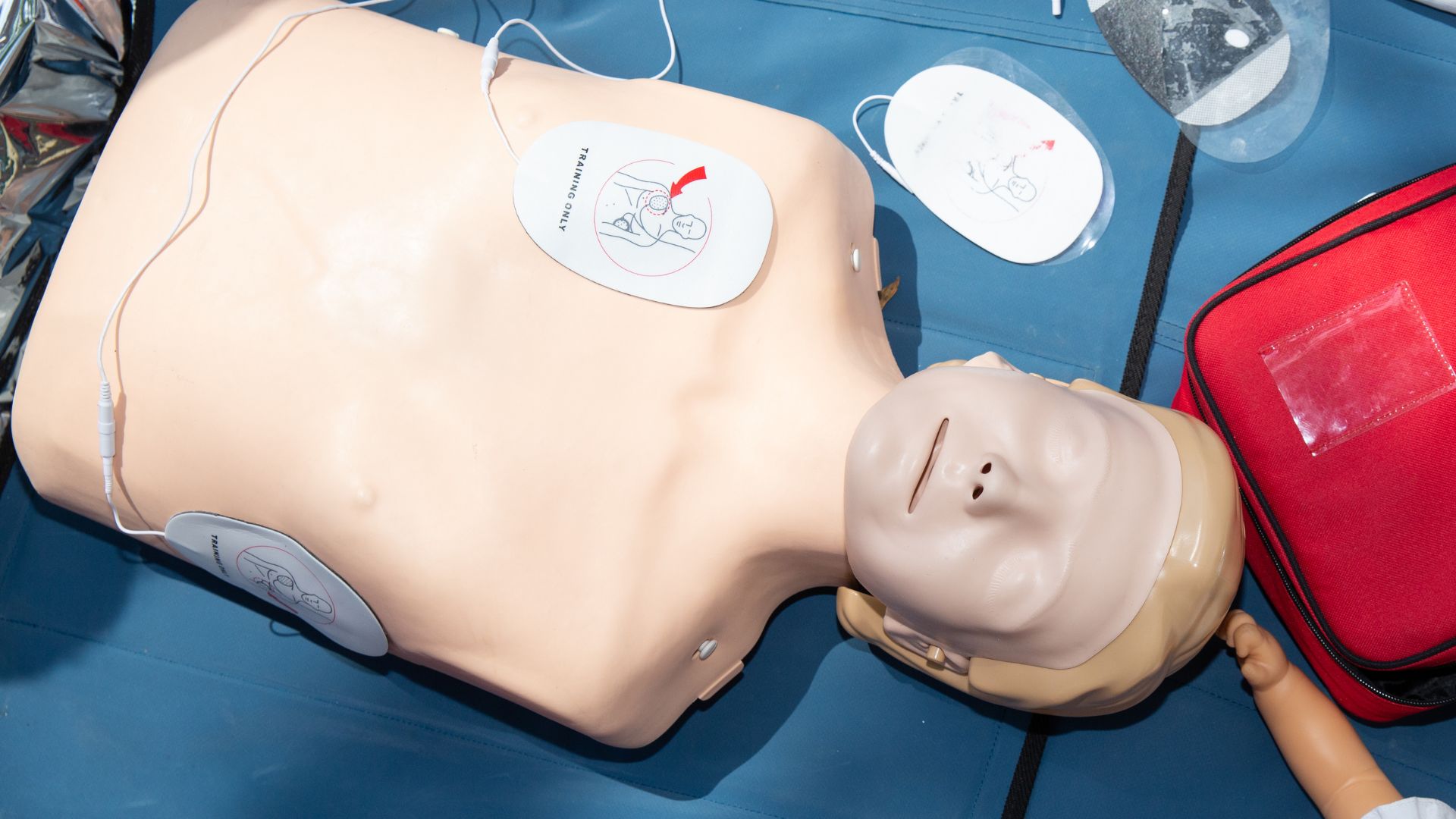
For many educators and support staff, completing a CPR Certification course is an effective way to develop emergency response skills and gain confidence in handling unexpected situations. CPR training helps school employees become better prepared to respond while professional medical assistance is on the way.
Why Emergency Preparedness Matters in Schools
Schools serve hundreds or even thousands of students every day. With so many individuals gathered in one location, the possibility of medical emergencies is always present.
Children and teenagers participate in a variety of activities throughout the school day, including classroom instruction, physical education, sports, recess, lunch periods, field trips, and extracurricular programs. Each activity presents unique safety considerations.
Emergency preparedness helps schools:
- Improve response times
- Strengthen safety protocols
- Increase staff confidence
- Support student well-being
- Create a culture of preparedness
- Enhance communication during emergencies
When school personnel understand emergency response procedures, they are often better equipped to act calmly and effectively.
Teachers Are Often the First Adults to Respond
In many situations, teachers are the first adults present when a student experiences a medical emergency.
Unlike emergency responders who must travel to the scene, teachers are already supervising students throughout the day. This immediate presence places them in a position where quick recognition and action may be necessary.
Whether an incident occurs in a classroom, cafeteria, playground, gymnasium, or hallway, teachers are frequently responsible for initiating the school’s emergency response process until additional assistance arrives.
Being prepared helps educators respond with greater confidence and clarity during stressful situations.
Common Medical Emergencies in School Settings
While every school is different, certain medical situations occur more frequently than others.
Examples include:
- Choking incidents
- Asthma attacks
- Allergic reactions
- Seizures
- Diabetic emergencies
- Playground injuries
- Sports-related injuries
- Heat-related illnesses
- Cardiac emergencies
- Sudden illnesses
Understanding these possibilities helps schools develop more effective emergency preparedness plans.
The goal is not to create fear but to ensure staff members know how to respond appropriately if an emergency occurs.
Why CPR Knowledge Benefits Educators
Many teachers never expect to encounter a serious medical emergency during their careers. However, preparation is valuable because emergencies are often unpredictable.
CPR training helps educators understand:
- How to recognize emergency situations
- How to activate emergency response procedures
- How to remain calm under pressure
- The importance of immediate action
- Basic emergency response principles
These skills can contribute to a safer environment for students, staff, and visitors.
In addition to helping during emergencies, training often increases overall awareness of school safety practices.
Student Health Needs Continue to Grow
Modern schools serve students with a wide range of medical needs and health conditions. Many children attend school while managing allergies, asthma, diabetes, seizure disorders, and other conditions that may occasionally require emergency attention.
Because students spend much of their day at school, staff members must be prepared to recognize warning signs and follow established emergency procedures.
Effective communication between parents, school nurses, administrators, and teachers helps ensure that student health needs are understood and appropriately addressed.
Emergency preparedness training supports these efforts by providing staff with a stronger understanding of emergency response concepts.
CPR Training Supports School Emergency Plans
Most schools maintain emergency response plans that address a variety of situations, including medical emergencies.
These plans often include:
- Emergency communication procedures
- Staff responsibilities
- Emergency contact information
- Student medical information
- AED locations
- Evacuation procedures
- Coordination with emergency responders
CPR training complements these plans by helping staff understand how emergency response actions fit into broader school safety protocols.
The more familiar employees become with emergency procedures, the more effectively they can contribute during critical situations.
School Sports and Extracurricular Activities Create Additional Risks
Many student activities take place outside the traditional classroom environment.
Athletic programs, band practices, field trips, after-school clubs, and special events all involve situations where injuries or medical emergencies could occur.
Coaches, teachers, and activity supervisors often oversee large groups of students during these events.
Potential concerns may include:
- Heat-related illnesses
- Sports injuries
- Allergic reactions
- Dehydration
- Cardiac emergencies
- Accidental falls
Prepared staff members help strengthen safety efforts during these activities.
The Importance of AED Awareness
Many schools maintain Automated External Defibrillators (AEDs) as part of their emergency preparedness programs.
AEDs are commonly located in:
- Gymnasiums
- Athletic facilities
- Main offices
- School nurse stations
- Large event venues
Understanding the role of AEDs within a school’s emergency response system helps improve overall preparedness.
Training often introduces participants to AED awareness concepts and explains how these devices fit into emergency response procedures.
Knowing where AEDs are located can be an important part of school safety planning.
Building Confidence Through Practice
One of the biggest advantages of CPR training is the confidence it helps build.
Many people worry that they will not know what to do during an emergency. Training helps reduce this uncertainty by providing structured learning experiences and opportunities to practice emergency response skills.
Benefits of training often include:
- Increased confidence
- Better situational awareness
- Improved preparedness
- Greater familiarity with emergency procedures
- Stronger communication skills during emergencies
Confidence allows school personnel to focus on helping students rather than worrying about what actions to take.
Parents Value Safe Learning Environments
Parents trust schools to provide a safe environment for their children.
While no school can prevent every emergency, families appreciate knowing that staff members have invested in emergency preparedness and safety training.
Prepared educators help reinforce confidence in the school’s commitment to student well-being.
Safety-conscious schools often benefit from stronger relationships with families because preparedness demonstrates responsibility and professionalism.
Emergency readiness becomes part of the overall culture of care that parents expect from educational institutions.
CPR Training Benefits More Than Students
Although student safety is often the primary focus, schools are also workplaces that serve adults every day.
Teachers, administrators, maintenance personnel, support staff, volunteers, and visitors may also experience medical emergencies while on campus.
Emergency response knowledge helps staff prepare for situations involving anyone in the school community.
Prepared employees contribute to safer environments for students and adults alike.
This broader perspective highlights why emergency preparedness remains valuable throughout the entire school system.
Creating a Culture of Safety in Education
The safest schools are often those that view emergency preparedness as an ongoing process rather than a one-time training requirement.
A strong culture of safety may include:
- Regular emergency drills
- Ongoing staff education
- Updated emergency plans
- Accessible emergency equipment
- Clear communication procedures
- Continued professional development
When safety becomes part of daily operations, schools are often better prepared to manage unexpected situations.
Preparedness helps schools respond more effectively while maintaining focus on their educational mission.
Why CPR Training Helps Create Safer Classrooms
Teachers and school staff play an important role in protecting the health and well-being of students every day. While academic instruction remains a central responsibility, emergency preparedness is also an essential part of creating safe learning environments. Medical emergencies can occur without warning, making preparation a valuable investment for educators and school personnel. Whether responding to a choking incident, allergic reaction, sports injury, or other emergency, having the right knowledge can make a meaningful difference. Taking a CPR Certification class helps teachers and school staff strengthen their preparedness, build confidence, and contribute to safer classrooms for everyone on campus.
Frequently Asked Questions About CPR Training for Teachers and School Staff
Why should teachers learn CPR?
Teachers are often among the first adults present when emergencies occur at school. CPR training helps educators prepare to respond while professional medical assistance is on the way.
What types of emergencies commonly occur in schools?
Schools may encounter choking incidents, allergic reactions, asthma attacks, seizures, injuries, heat-related illnesses, and other medical emergencies.
Do all school employees benefit from CPR training?
Yes. Teachers, administrators, coaches, office staff, aides, counselors, and support personnel can all benefit from emergency preparedness education.
Why is emergency preparedness important in educational settings?
Prepared staff members can respond more effectively during emergencies, helping support student safety and school-wide emergency response efforts.
What role do AEDs play in schools?
Many schools maintain AEDs as part of their emergency preparedness programs. Staff awareness of AED locations and procedures can support emergency response planning.
How does CPR training contribute to safer schools?
CPR training helps improve preparedness, increase confidence, strengthen emergency awareness, and support a culture of safety throughout the school community.