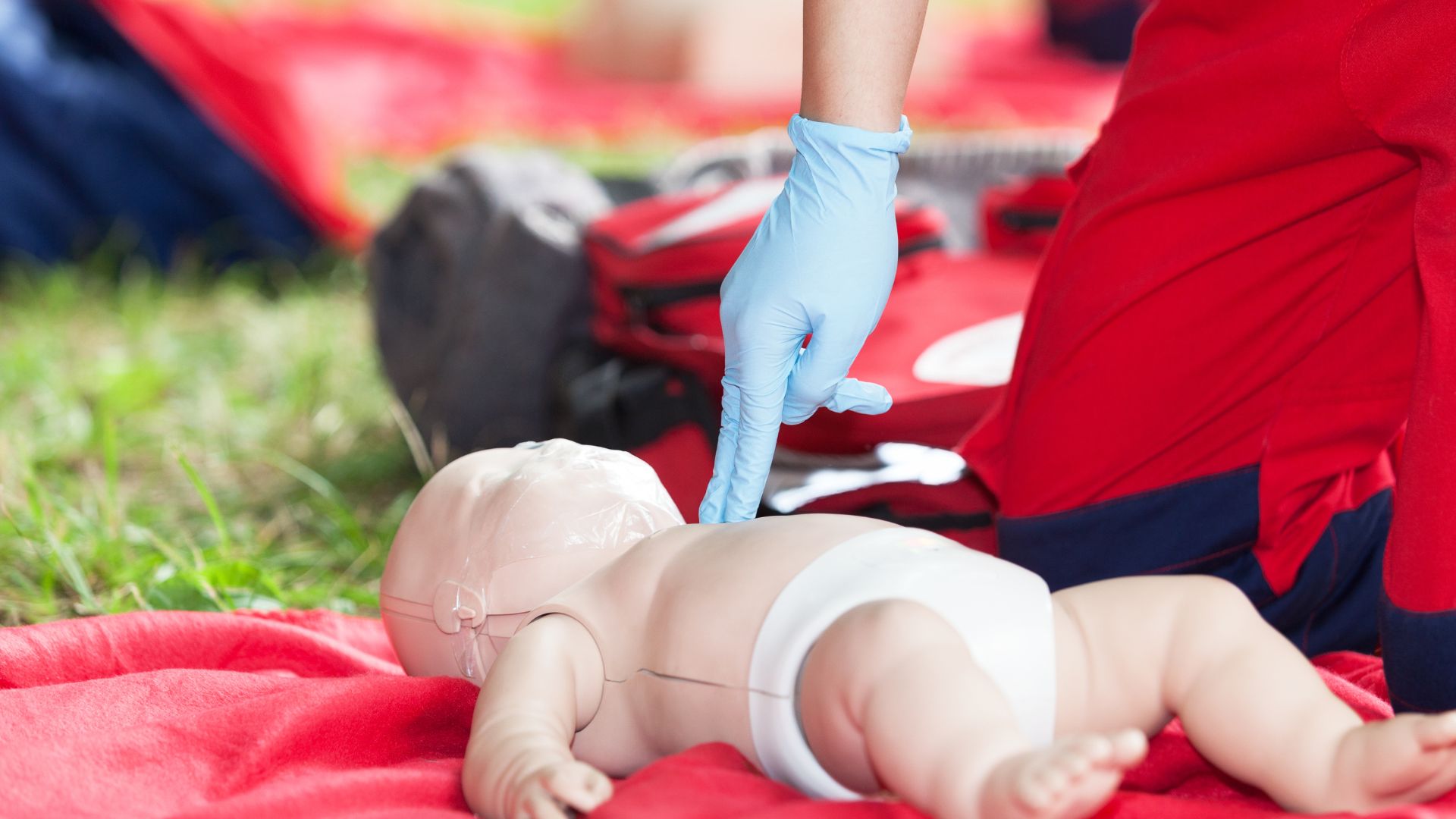
Becoming a new parent comes with a mix of excitement and responsibility, and one of the most important steps you can take is preparing for emergencies. Infant CPR training is not just something recommended for childcare workers. It is a skill that gives parents the ability to respond immediately when something goes wrong.
In a family-focused city like Allentown, more parents are choosing to take proactive steps to protect their children. Enrolling in an in-person CPR Certification course allows you to build real confidence, learn hands-on techniques, and understand exactly what to do in those critical first moments.
Why Infant CPR Training Matters for New Parents
Many parents assume emergencies are rare, but the truth is that infants are more vulnerable than older children and adults. Their smaller airways, developing systems, and inability to communicate distress make quick action essential.
Medical experts emphasize that infant emergencies often stem from breathing issues rather than sudden cardiac events, which means early intervention is key.
This is why infant CPR training focuses heavily on recognizing breathing problems and responding immediately before the situation escalates.
For new parents, this training provides more than knowledge. It provides peace of mind.
What Happens During an In-Person Infant CPR Class
One of the biggest questions new parents have is what the class actually looks like. In-person CPR training is structured, interactive, and focused on real-world application.
Most classes are led by certified instructors and typically last a few hours depending on the course type.
During your class, you can expect:
- A guided, instructor-led environment
- Hands-on practice using infant mannequins
- Step-by-step instruction on CPR techniques
- Practice scenarios that simulate real emergencies
The goal is not just to teach you information, but to make sure you can actually perform the skills when needed.
Hands-On Practice: The Most Important Part of Training
The most valuable part of infant CPR training is the hands-on experience. This is what separates in-person classes from online-only options.
You will spend a significant portion of the class practicing:
- Chest compressions using the correct depth and technique
- Rescue breathing and airway positioning
- Recognizing when CPR is needed
This repetition is critical. CPR is not something you want to figure out in the moment. It is something your body should already know how to do.
In fact, hands-on training helps build muscle memory, which is essential in high-stress situations where quick action is required.
Learning the Differences Between Infant and Adult CPR
One of the most important things parents learn is that infant CPR is very different from adult CPR.
Techniques must be adjusted because:
- Infants require much gentler compressions
- Their airway positioning is different
- Breathing support is more critical
Using the wrong technique can reduce effectiveness or cause harm, which is why proper training is so important.
In-person classes ensure you understand these differences and can apply them correctly.
Real-Time Feedback from Instructors
Another major advantage of in-person training is immediate feedback. Instructors watch your technique and help you make corrections in real time.
This includes:
- Adjusting your hand placement
- Correcting compression depth
- Improving timing and rhythm
Without this feedback, small mistakes can go unnoticed and become habits.
Having an experienced instructor guide you ensures you are performing CPR the right way, not just guessing.
What You Will Learn Beyond CPR
Infant CPR classes do not just focus on compressions and breathing. They also cover a range of situations that parents may encounter.
You will learn how to:
- Recognize when a baby is unresponsive
- Identify breathing problems early
- Respond to choking emergencies
- Stay calm and take control of a situation
These skills work together to give you a complete response system, not just one isolated technique.
How Long Infant CPR Training Takes
Many parents worry that training will take too much time, especially with a newborn at home. The good news is that most in-person CPR classes are designed to be efficient.
Instructor-led courses typically last between two to four hours depending on the level of training.
While that may seem like a commitment, it is a small investment for a skill that could save your child’s life.
What to Bring and How to Prepare
Preparing for your class is simple. You do not need any special equipment or prior knowledge.
Most classes recommend:
- Wearing comfortable clothing for movement
- Arriving ready to participate in hands-on practice
Training providers usually supply everything else, including mannequins and safety equipment used during practice.
The focus is on creating a safe, realistic environment where you can learn effectively.
Why In-Person Training Builds More Confidence
One of the biggest benefits of in-person CPR training is confidence. Many parents hesitate during emergencies because they are unsure of what to do.
Hands-on training removes that uncertainty by:
- Allowing you to practice repeatedly
- Simulating real-life scenarios
- Reinforcing proper technique
Confidence is what turns knowledge into action.
When you have physically practiced CPR, you are far more likely to step in and help immediately.
The Emotional Side of Infant CPR Training
For many parents, taking a CPR class can feel overwhelming. It forces you to think about situations you hope never happen.
But most parents leave feeling:
- More prepared
- More confident
- More in control
Training does not increase fear. It reduces it.
Knowing you are prepared allows you to focus on enjoying parenthood without constant worry.
Who Should Take Infant CPR Training
While this guide is focused on new parents, infant CPR training is valuable for anyone who spends time around a baby.
This includes:
- Grandparents
- Babysitters
- Family members
The more people who are trained, the safer your child will be in any environment.
Why In-Person CPR Certification Is the Best Choice
There are many ways to learn CPR, but in-person training remains the most effective.
Online courses can provide information, but they cannot replicate:
- Hands-on skill development
- Real-time instructor feedback
- Practice under realistic conditions
In-person training ensures you are not just learning CPR. You are preparing to use it.
Choosing an in-person CPR Certification course gives you the confidence and ability to act immediately when it matters most.
What Happens After You Complete the Course
After completing your training, you will receive certification that typically lasts for two years. This ensures your skills stay current and aligned with the latest guidelines.
More importantly, you will leave with:
- Practical experience
- Confidence in your ability to respond
- A clear understanding of what to do in emergencies
That combination is what makes the training so valuable.
Final Thoughts on Infant CPR Training in Allentown
Infant CPR training is one of the most important steps you can take as a new parent. It goes beyond basic knowledge and gives you the ability to respond when your child needs you most.
Emergencies can happen without warning, and in those moments, you are the first line of defense.
By enrolling in an in-person CPR Certification course, you gain the hands-on experience, confidence, and preparation needed to act quickly and effectively. For parents in Allentown, that training is not just helpful. It is essential.
Frequently Asked Questions About Infant CPR Training
How long does infant CPR training take?
Most in-person classes take a few hours, typically between two and four hours depending on the course.
Do I need any prior experience?
No, infant CPR classes are designed for beginners and new parents.
Is in-person training better than online?
Yes, in-person training provides hands-on practice and real-time feedback, which builds confidence.
What will I practice during the class?
You will practice chest compressions, rescue breathing, and emergency response techniques.
How long is certification valid?
CPR certification is typically valid for two years.
Who else should take the class?
Anyone who cares for your baby, including family members and babysitters, should consider training.